
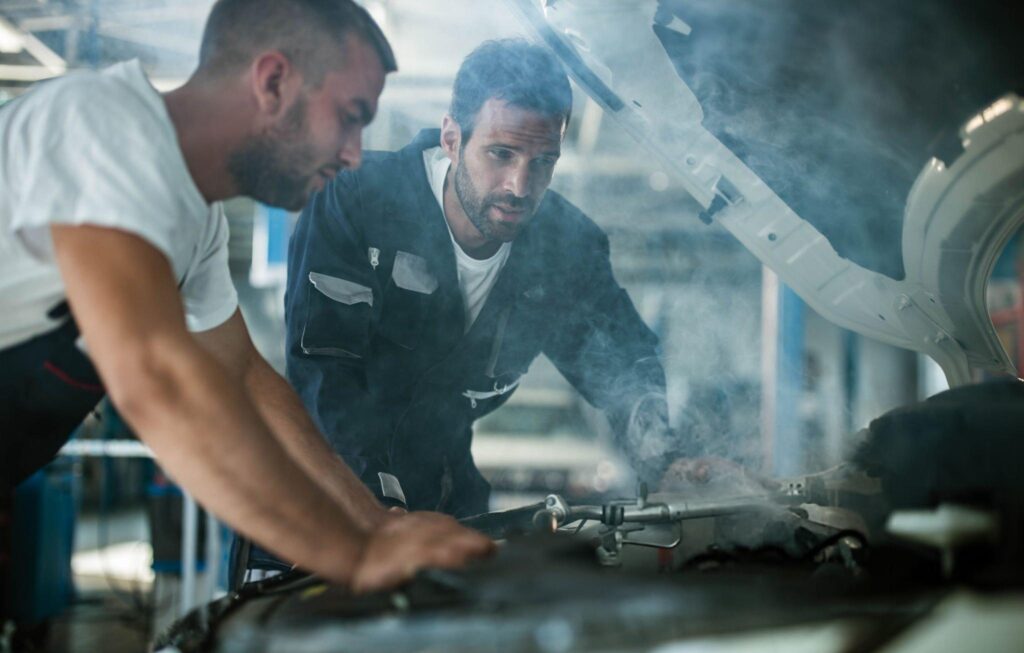
Buffalo summers can get brutally hot, and that heat takes a toll on more than just people. Your car’s engine also struggles in high temperatures, especially during those dry heat waves when everything is working overtime. If you’ve ever seen steam rising from under a hood while stuck at a red light, you already know how stressful engine overheating can be. It’s loud, it’s sudden, and most times it means you’re stuck on the side of the road waiting for help.
The good news is that engine overheating is usually preventable. With the right habits and regular upkeep, you can help your car stay cool even when the weather isn’t. That means fewer surprises, less chance of being stuck on the shoulder of Route 33, and more peace of mind during Buffalo’s hotter months. Let’s take a look at a few ways you can reduce your engine’s risk of overheating when the temperatures start climbing.
Keep Coolant Levels In Check
Coolant is your engine’s main defense against extreme heat. It circulates through the engine, absorbing heat and moving it away so things stay within a safe temperature range. Without enough coolant, or if the coolant isn’t doing its job properly, your engine can begin to overheat pretty quickly.
Checking your coolant level is one of the easiest things you can do to stay ahead of trouble. Most cars have a translucent reservoir near the radiator with minimum and maximum level markings. If the fluid is below the minimum line, it’s time to add more. Just make sure the engine is completely cool before you pop the cap, or you could get sprayed with hot fluid.
Here are a few quick tips for managing coolant during the summer:
1. Check your coolant levels every couple of weeks, especially during long periods of high heat.
2. Use the correct type of coolant recommended by your vehicle’s manufacturer.
3. Never mix different types of coolant unless the label says you can.
4. Look for any damp spots, puddles, or a sweet smell under your car—these could mean a leak.
5. If the coolant is discolored or rusty, it’s time for a flush and refill.
Even a small leak or steady drip could lower the coolant level over time and put you at risk. If you see one, it’s best to get it looked at right away rather than topping off the coolant and hoping it holds.
Inspect The Radiator And Hoses
Your radiator is one of the hardest-working parts of the cooling system, especially once July hits in Buffalo. It transfers the hot coolant from the engine and cools it down using airflow as your car moves. When the radiator isn’t in top shape, that whole process slows down, and the engine starts to suffer.
Hoses are another piece of the puzzle. They carry coolant between the engine, radiator, and other parts of the cooling system. Old, brittle hoses or ones with small cracks can leak or even burst from heat and pressure changes.
If you don’t look under your hood often, summer is a great time to start. A quick visual inspection can catch a lot:
1. Check the radiator fins for bent or clogged areas. Dirt, bugs, or leaves can block airflow.
2. Feel the radiator hoses (only when the engine is cool) for spongy spots, cracks, or bulges.
3. Make sure hose connections are tight, and clamps are rust-free and snug.
4. Look for dry coolant residue around the radiator cap or hose endings—it may be a sign of a slow leak.
Even if you’re not a car expert, spotting something that looks off can go a long way toward avoiding a breakdown. It’s always better to have a professional take a look than risk being caught off guard on a hot day.
Monitor Your Driving Habits
Your driving style has more of an impact on engine temperature than most people think. When traffic builds up across Buffalo, especially during hot afternoons, idling or creeping in slow traffic can put extra pressure on your cooling system. The engine works hard even when the car isn’t moving much, and without proper airflow over the radiator, things can heat up fast.
Try to plan your routes and timing to avoid being stuck in long lines of traffic. That may not always be possible during rush hour, but even small changes in when and where you drive can help. Using your GPS to check traffic patterns before heading out can make a difference. If you’re not driving far, parking in a shaded area instead of directly in the sun can help keep the engine cooler, especially if you plan to restart the car again soon.
Here are a few driving habits that can help keep your engine running cooler:
1. Watch the temperature gauge. If it starts climbing, ease off the gas and try to find a safe place to pull over.
2. Don’t ride the brakes too long going downhill. That heats everything up, including parts near the engine bay.
3. If overheating begins, turn off the AC and roll down your windows. That reduces engine strain.
4. In a pinch, turning on the heater can help pull heat away from the engine. It’s uncomfortable, but can buy you time.
5. Keep an eye on the road ahead and avoid aggressive stops and starts. Smooth driving helps reduce engine workload.
Even if your car seems fine, these habits can extend the life of your engine during Buffalo summers when heat stays high for days at a time.
Schedule Regular Maintenance Checks
It’s easy to forget about vehicle maintenance when everything seems to be working just fine. But regular check-ups can catch small problems before they spiral into major ones, especially when it comes to preventing overheating during the summer.
Your cooling system relies on several working parts, each of which needs to function correctly. If even one thing fails, it puts stress on the others. The thermostat, water pump, radiator fan, and radiator cap all play key roles. If one gets clogged or stuck, the system won’t regulate temperature well. That’s when heat builds up fast, even during short drives.
Having a professional look over your car before summer or during high-use months is a smart move. Mechanics can pressure test the cooling system, check coolant mix, and inspect parts that might be wearing down. Just because there aren’t any obvious leaks or smells doesn’t mean everything’s fine under the hood.
Another thing that often gets overlooked is whether your vent or heater system is blowing normally. Many cars have HVAC or fan-related problems that tie back to overheating since they rely on coolant flow for temperature control.
So while the visual checks mentioned earlier are good for quick assessments, a deeper inspection can help identify trouble coming from inside the components you can’t see. It’s the kind of maintenance that helps your car perform better and can keep you from getting stranded somewhere between Downtown and the I-190 during a July heat wave.
Know When to Call for Professional Help
Overheating isn’t always a slow buildup. Sometimes it hits you fast without much warning. That’s why it’s important to know the warning signs and what to do when emergency roadside assistance in Buffalo becomes your best option.
If your dashboard gauge spikes past the normal zone or you start seeing steam, acting quickly is key. Pull over right away in a safe spot. Don’t try to push through traffic or hit your destination before checking it out. That can cause even more damage. Shut off the engine and let it cool completely before lifting the hood. Once the car is cooled down, you can check coolant levels or look for leaks, but at that point, professional help is likely your safest choice.
Call for roadside assistance if:
1. Steam is coming from the hood or you smell burning rubber or sweet coolant.
2. The temperature warning light comes on and stays on.
3. Coolant is visibly leaking from your car.
4. The engine misfires, shuts off, or won’t restart after cooling.
5. You’re unsure how long the engine ran hot.
Waiting too long or guessing wrongly about how serious the issue is can lead to worse engine damage. Summer breakdowns aren’t just frustrating—they’re also dangerous when you’re sitting on hot pavement or stuck in heavy traffic during a Buffalo heat wave. That’s why knowing when to call for help could save you time, money, and stress.
Staying Safe in Buffalo’s Summer Heat
Buffalo summers bring longer days and heavier heat, especially when heat waves settle in. That means extra strain not just on people, but on the machines we count on every day. Cars are built to withstand heat, but only when every part of the system is working the way it should. Once something starts to slip, overheating becomes a real risk.
The good news is that most of the issues that cause overheating can be stopped ahead of time with a little attention. Staying on top of coolant levels, looking over your radiator and hoses, making easy tweaks to your driving habits, and setting time for regular maintenance all help keep your engine cooler under pressure.
You can’t predict every car issue, but when you understand how your cooling system works, you’ll be ready to act fast when something feels off. Whether you’re heading to work, cruising along Lake Erie, or just running errands, a little preparation goes a long way when Buffalo turns up the heat.
When those high summer temperatures in Buffalo catch your car off guard and leave you stranded, it’s important to know there’s help available. If you ever find yourself needing emergency roadside assistance in Buffalo, Schoemann’s Road Service, Inc. is here to offer the support you need with expert care. Whether it’s dealing with an overheating engine or any other roadside issue, ensuring your safety and getting you back on the road remains our top priority.